
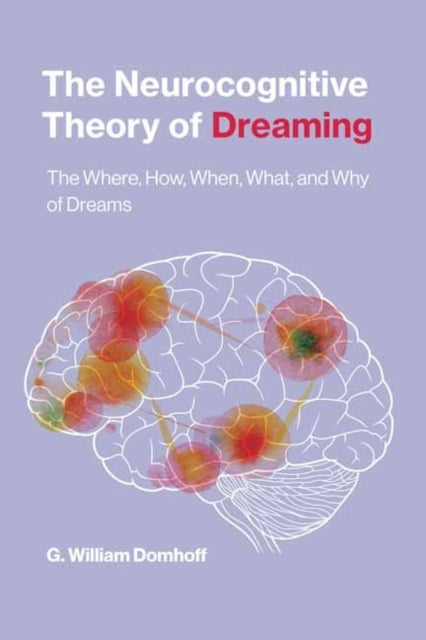
The Neurocognitive Theory of Dreaming
The Where, How, When, What, and Why of Dreams
The Neurocognitive Theory of Dreaming
Lagerstatus kan ændre sig i løbet af dagen. Kontakt derfor butikken for at sikre, at varen stadig er på lager, så du ikke går forgæves.
- SPAR 50% på fragten og optjen point (Nul binding. Nul gebyrer)
Fragtpriser
Levering til GLS pakkeshop kr. 29,-
Levering lige til døren med GLS kr. 49,-
Levering til en erhvervsadresse med GLS kr. 39,-
Altid fri fragt til pakkeshop ved varekøb over kr. 399,-
Returret
Du har altid 365 dages fuld returret i alle Bog & idés butikker.
Leveringstid
På lagervarer kan du forvente en leveringstid på 1 til 3 hverdage. Den dag, ordren bestilles, tæller som dag 0.
På udenlandske bøger, kan du forvente en leveringstid på 4 til 9 dage.
E-bøger og lydbøgerleveres til download umiddelbart efter betaling.
Forudbestilling: Hvis du har en forudbestilling på din ordre, vil denne først blive afsendt, når den udkommer. I nogle tilfælde kan forudbestillingen holde hele eller dele af din ordre tilbage. Hvis dette sker, så vil du blive kontaktet af vores kundeservice med dine muligheder. Vi opfordrer derfor til, at forudbestillinger bestilles på en særskilt ordre.
Print on demand / Bookbox: Bogen trykkes efter bestilling, forvent derfor længere leveringstid.
Bog & idé leverer inden for Danmarks grænser - ekskl. Færøerne og Grønland
Detaljer
MIT Press
PAPERBACK
376
9780262544214
Anmeldelser
Mere om The Neurocognitive Theory of Dreaming
Varens kategorier
En del af
En del af